WHY MOST BUILDING PROJECTS IN NIGERIA GET ABANDONED – AND HOW TO GUARANTEE YOURS WON'T
By the Construction Experts at Isereri Construction Nigeria Limited
Lagos & Abuja | Published 2026
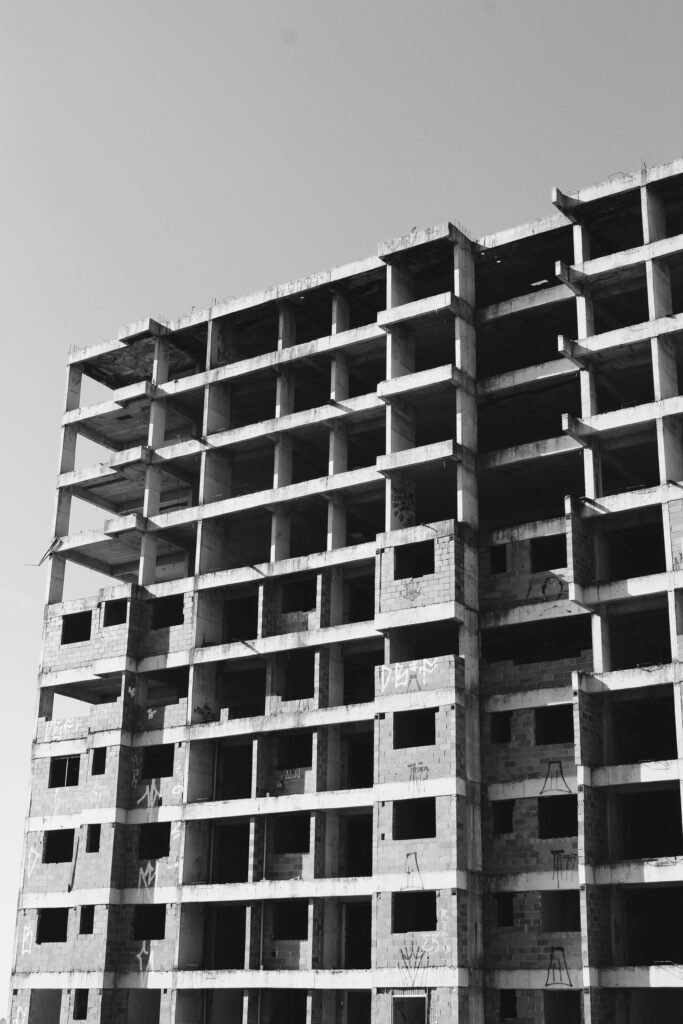
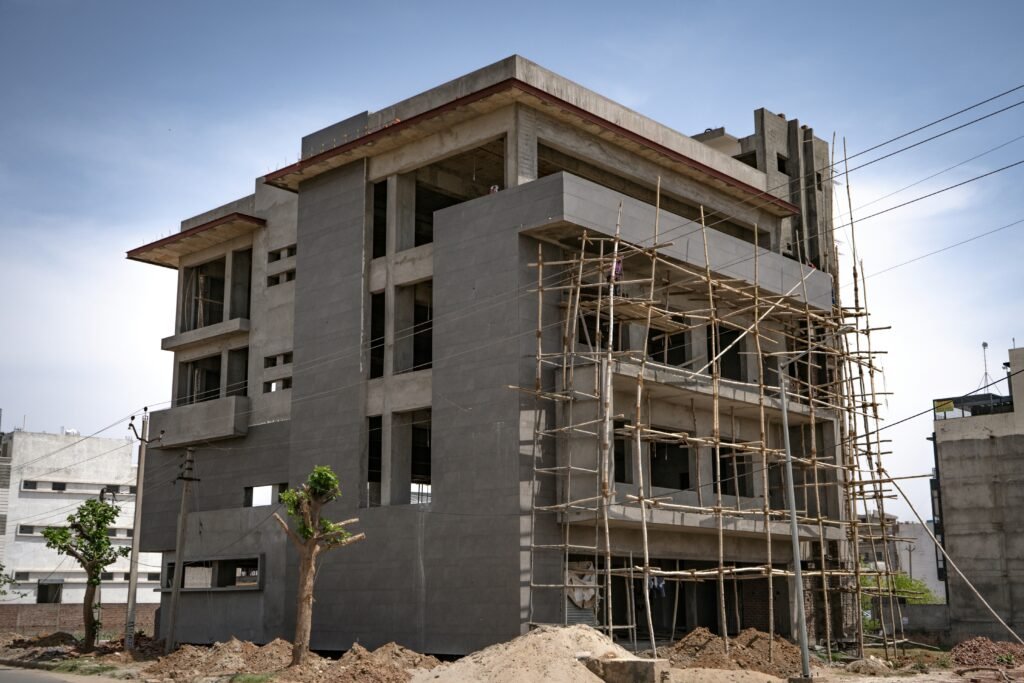
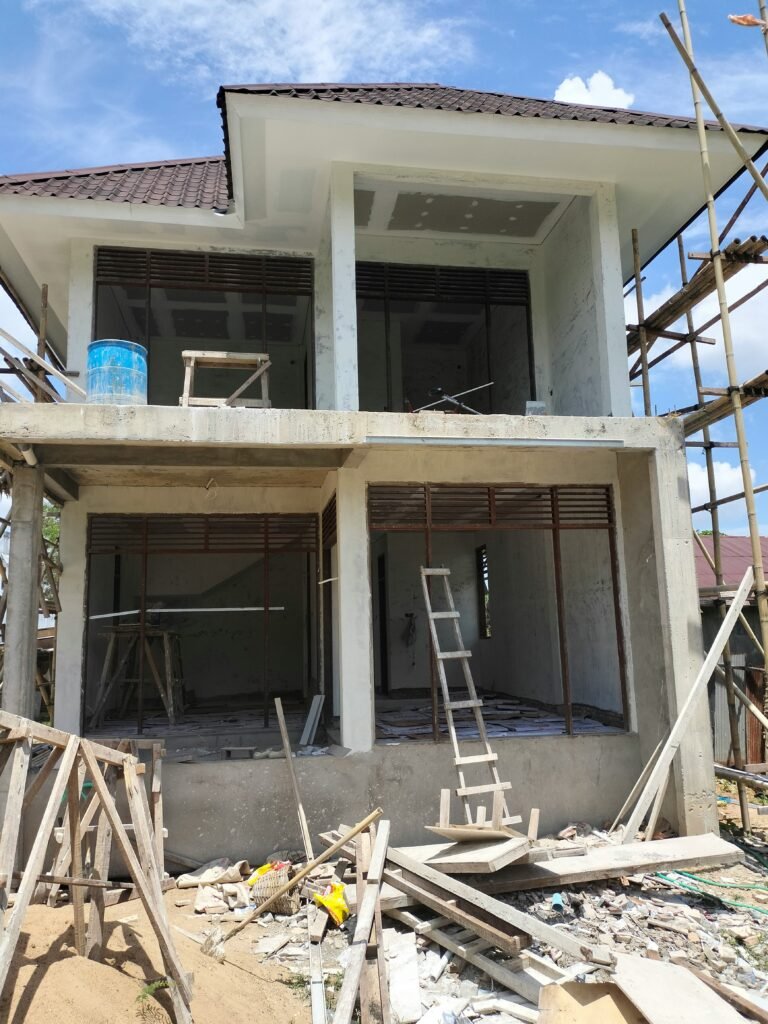
Walk through any neighbourhood in Lagos. Drive through any district in Abuja. Look carefully and you will find them — the skeletons of ambition. Half-built structures standing in silence. Columns rising without floors. Walls without roofs. Foundations that swallowed someone's life savings and produced nothing but regret. Abandoned building projects are one of Nigeria's most painful and persistent construction crises. Estimates suggest that hundreds of thousands of building projects across the country have been abandoned at various stages of construction. Behind every one of those structures is a story; a family that saved for years, an investor who trusted the wrong contractor, a developer who ran out of money halfway through, a landowner whose joint venture partner vanished without warning. After many years working in Lagos and Abuja's construction and real estate industry, I have seen every version of this story. I have also seen what separates the projects that get completed from the ones that become monuments to broken promises. The difference is rarely luck. It is almost always decision-making — the decisions made before a single block is laid.
THE REAL REASONS PROJECTS GET ABANDONED IN NIGERIA
Understanding why projects fail is the first step to ensuring yours does not. In my years in this industry, the causes are remarkably consistent. The first and most common cause is poor contractor selection. Most Nigerians choose their contractor based on price alone. They get three quotations, choose the cheapest, and assume they have made a smart decision. What they have actually done is set themselves up for disaster. The cheapest contractor is almost always cheap for a reason — inadequate equipment, underqualified staff, poor procurement practices, or a business model that depends on cutting corners to make a profit. By the time the client realises this, significant money has been spent and the project is in trouble. The second cause is the absence of a proper bill of quantities and project budget. Many building projects in Nigeria begin with nothing more than a sketch and a rough estimate. There is no detailed cost plan. No itemised bill of quantities. No contingency provision. When the real costs begin to emerge — as they always do — the client is blindsided. Money runs out. The contractor stops work. The project stalls and eventually dies. The third cause is the lack of professional project management. The Nigerian construction site without professional oversight is a site at risk. Without a qualified project manager holding the contractor accountable, monitoring progress against schedule, controlling costs, and enforcing quality standards, projects drift. Timelines stretch from 12 months to three years. Budgets double. Standards fall. The client, frustrated and financially drained, eventually walks away. The fourth cause is title and land disputes. Particularly in Lagos, where land tenure is complex and the documentation trail can be murky, projects have been abandoned mid-construction because of title disputes, government acquisition notices, or community challenges that were never identified before construction began. A property whose title was not properly verified before development is a ticking time bomb. The fifth cause and one that is rarely spoken about honestly is contractor dishonesty. Advance payments collected and misapplied. Materials billed that were never purchased. Substandard materials substituted for premium ones. Ghost workers on the payroll. In an industry with limited regulation and even less accountability, dishonest contractors have destroyed more projects than any other single factor.
HOW TO GUARANTEE YOUR PROJECT WILL BE COMPLETED
The good news is that every single cause of project abandonment I have described is entirely preventable; if you make the right decisions from the beginning. Start with a verified title. Before you invest a single naira in construction, ensure your land title is clean, verified by a qualified lawyer, and free of encumbrances. No project should break ground without this foundation of legal certainty. Commission a full bill of quantities before you start. A detailed, professionally prepared bill of quantities prepared by a qualified quantity surveyor will tell you exactly what your project will cost — materials, labour, preliminaries, and contingencies. This document becomes your financial bible for the duration of the project and eliminates the surprises that derail underprepared clients. Select your contractor on capability, not price. Evaluate contractors on their track record, the qualifications of their team, the quality of their past projects, their financial stability, and their systems for project management and reporting. Visit their completed projects. Speak to their past clients. A contractor who has completed fifty projects to a high standard at a fair price is worth ten times more than the cheapest quote on your desk. Insist on a formal contract. Every naira you pay should be governed by a clear, legally binding construction contract that specifies the scope of work, the payment schedule, the project timeline, the quality standards, the penalty clauses for delay, and the dispute resolution mechanism. Never build on a handshake. Appoint an additional independent project manager. The single most powerful protection you have as a building client in Nigeria is an experienced, independent project manager whose only loyalty is to you and your project. They monitor the contractor. They control the budget. They enforce the schedule. They report to you with complete transparency. The cost of professional project management is a fraction of what you will lose without it.
WHY ISERERI CONSTRUCTION NIGERIA LIMITED IS THE ANSWER
At Isereri Construction Nigeria Limited, we have built our entire business model around eliminating every risk factor that causes projects to fail in Nigeria. We do not take advance payments without delivering measurable, verified progress. We do not substitute materials or cut corners on specification. We assign a dedicated, qualified project manager to every contract. We provide clients with regular written progress reports and full financial transparency. We execute every project under a formal, detailed construction contract that protects both parties. Our clients in Lagos and Abuja do not lie awake worrying whether their building will be completed. They sleep well because they chose a construction partner with systems, with standards, and with a thirty-year reputation that means more to us than any single contract. We have completed projects that other contractors abandoned. We have rescued developments that were heading toward failure and delivered them to specification. We have structured joint ventures that turned idle land into profitable, completed real estate — on time and with full financial accountability to every partner involved.